2026/03/12
Shipping containers are essential to global trade and logistics. Every container used in international shipping must meet strict durability, safety, and structural standards.
But have you ever wondered how a standard shipping container is actually manufactured?
At our professional container manufacturing facility-Huilongfeng, each container goes through a carefully controlled production process. From steel preparation to final inspection, every step ensures the container is strong, reliable, and ready for global transportation.
Below is a step-by-step look at the shipping container manufacturing process.
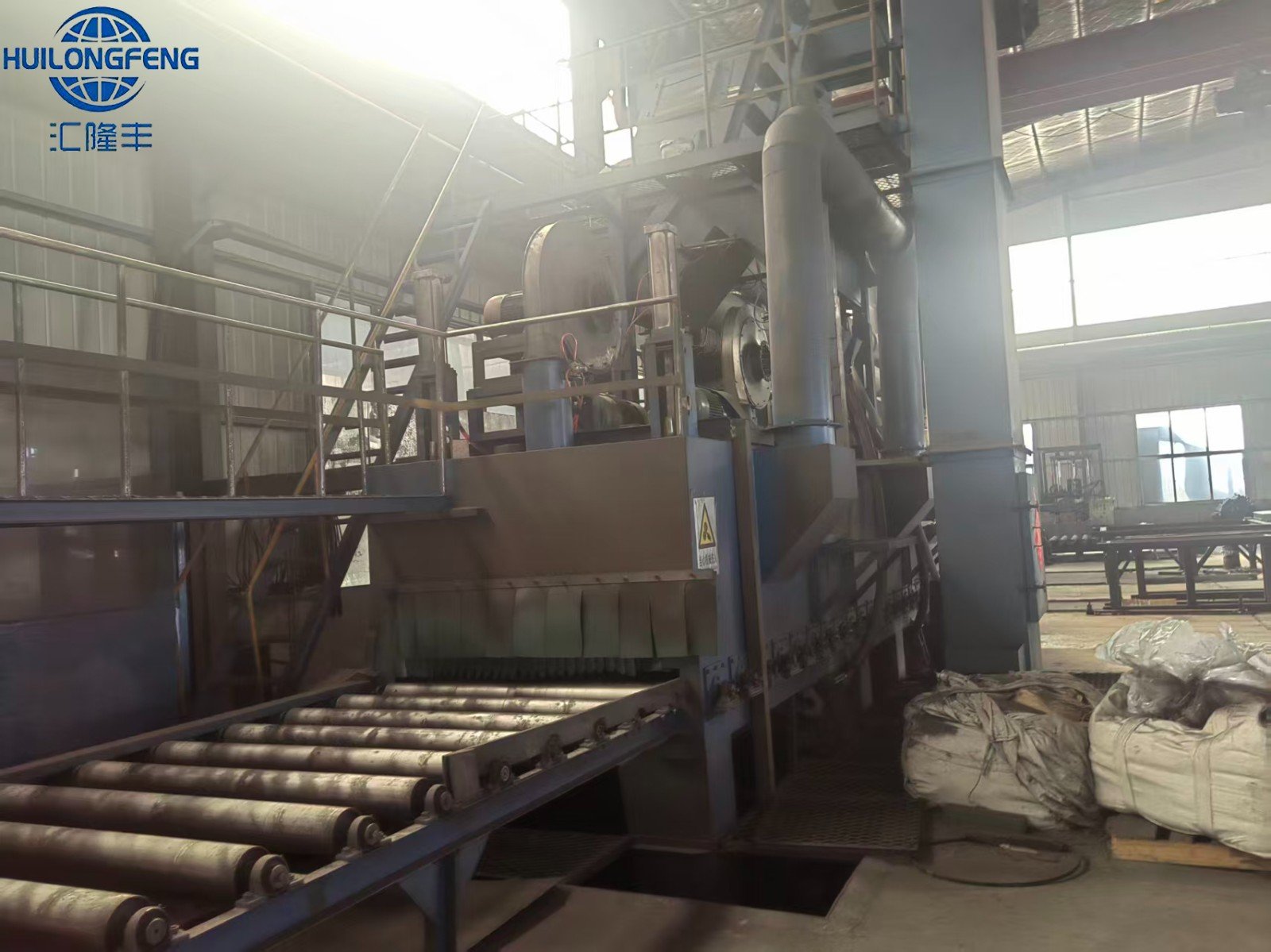
All steel plates and structural components are carefully inspected to ensure they meet design specifications for thickness, strength, and dimensions. If any steel material is slightly deformed during transport, specialized equipment is used to straighten it and restore its flatness.
To ensure long-term corrosion resistance, the steel surface undergoes shot blasting, a process that removes rust, scale, and impurities using high-speed steel particles.
After cleaning, a protective primer coating is applied to improve corrosion resistance and prepare the surface for further processing.
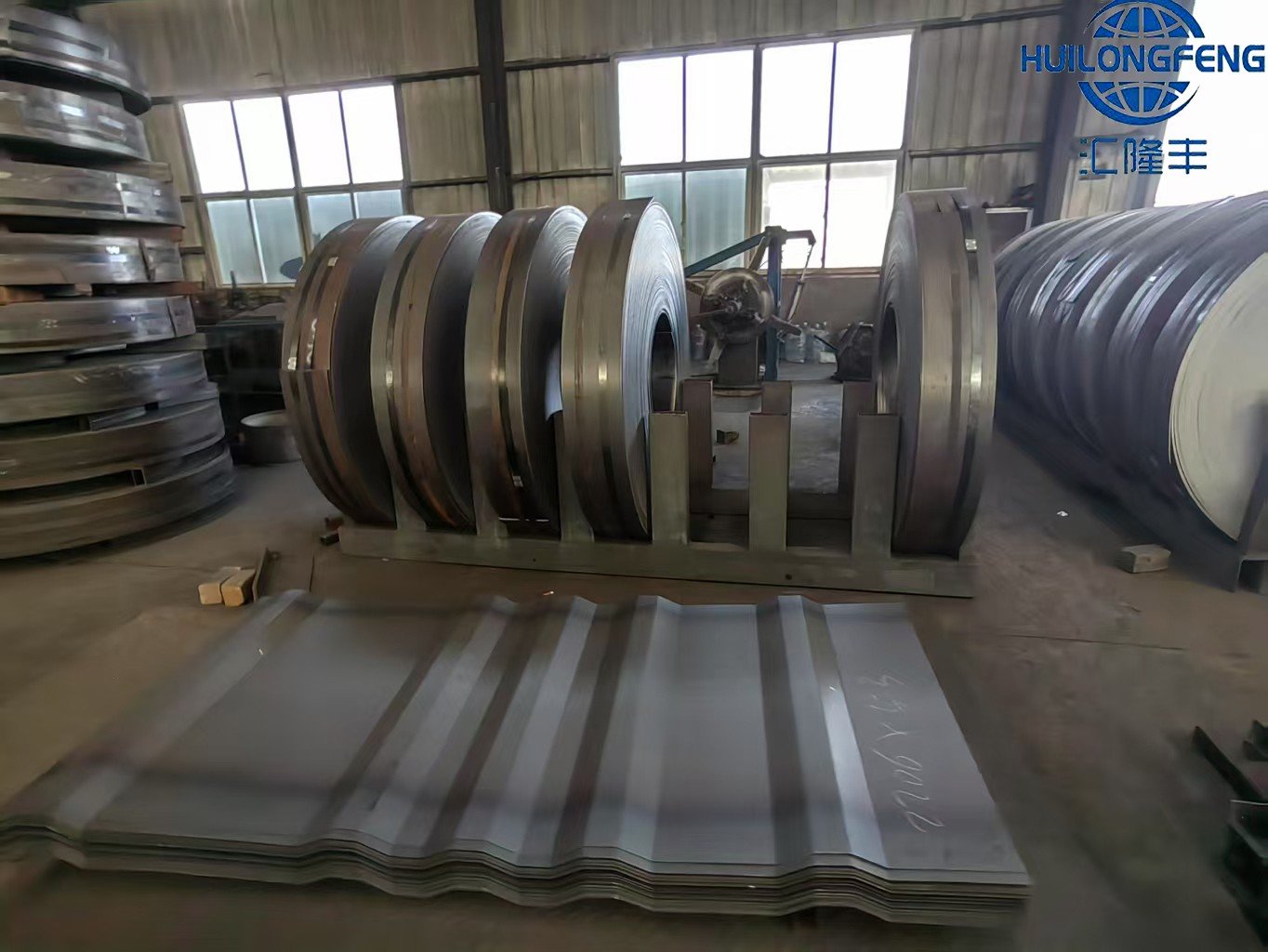
Once the steel materials are prepared, they are processed into individual container components.
Using CNC flame cutting machines and plasma cutters, steel plates are cut according to engineering drawings. This high-precision process ensures accurate dimensions while minimizing heat deformation.
Certain parts, such as corner fittings and reinforcement ribs, require specific shapes. These components are produced using heavy-duty stamping machines and custom molds.
Welding plays a critical role in container strength. Our factory uses advanced techniques such as:CO₂ gas shielded welding,Submerged arc welding.
Strict welding parameter control prevents defects such as cracks, porosity, or slag inclusions, ensuring strong and durable connections.
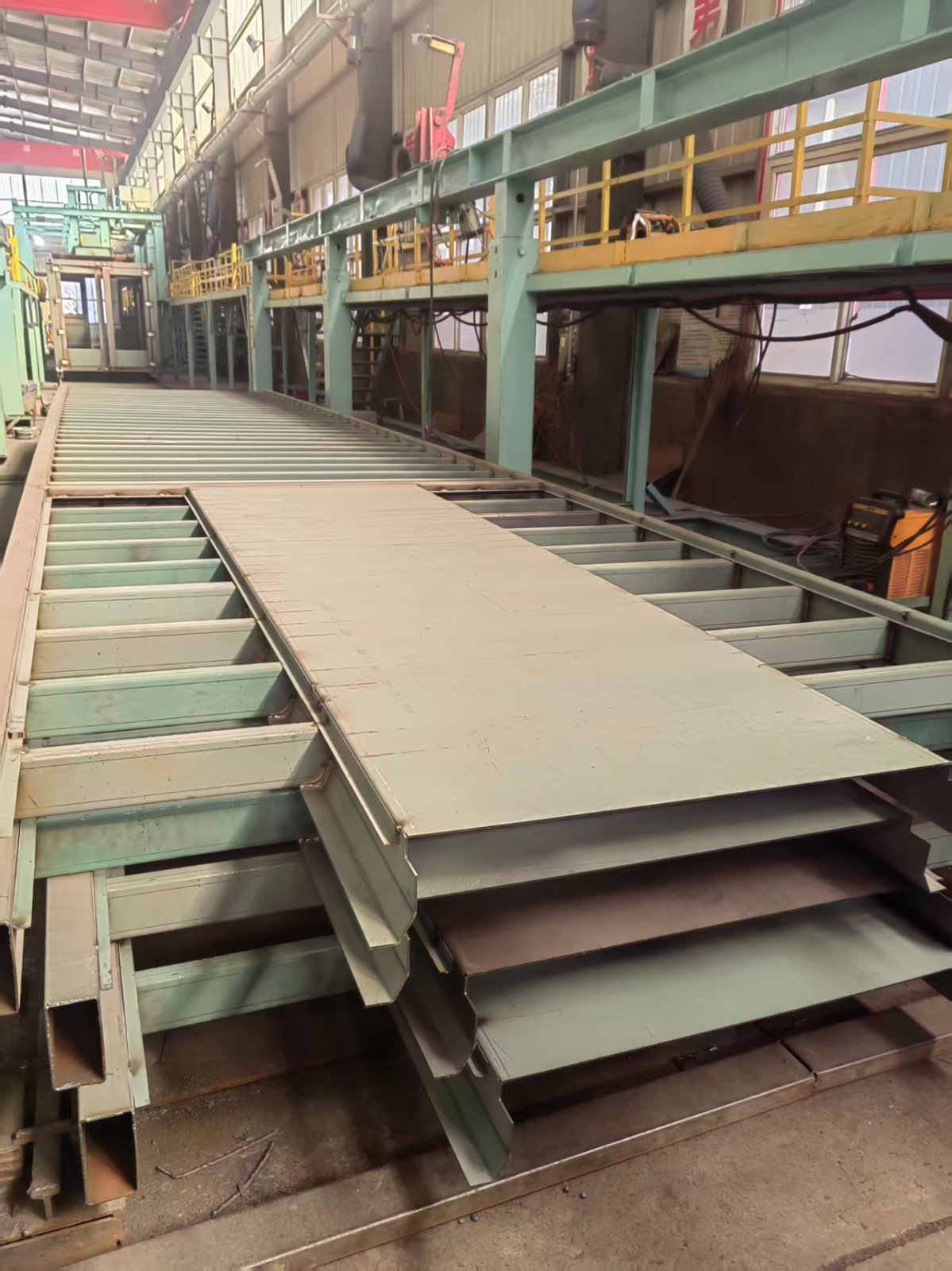
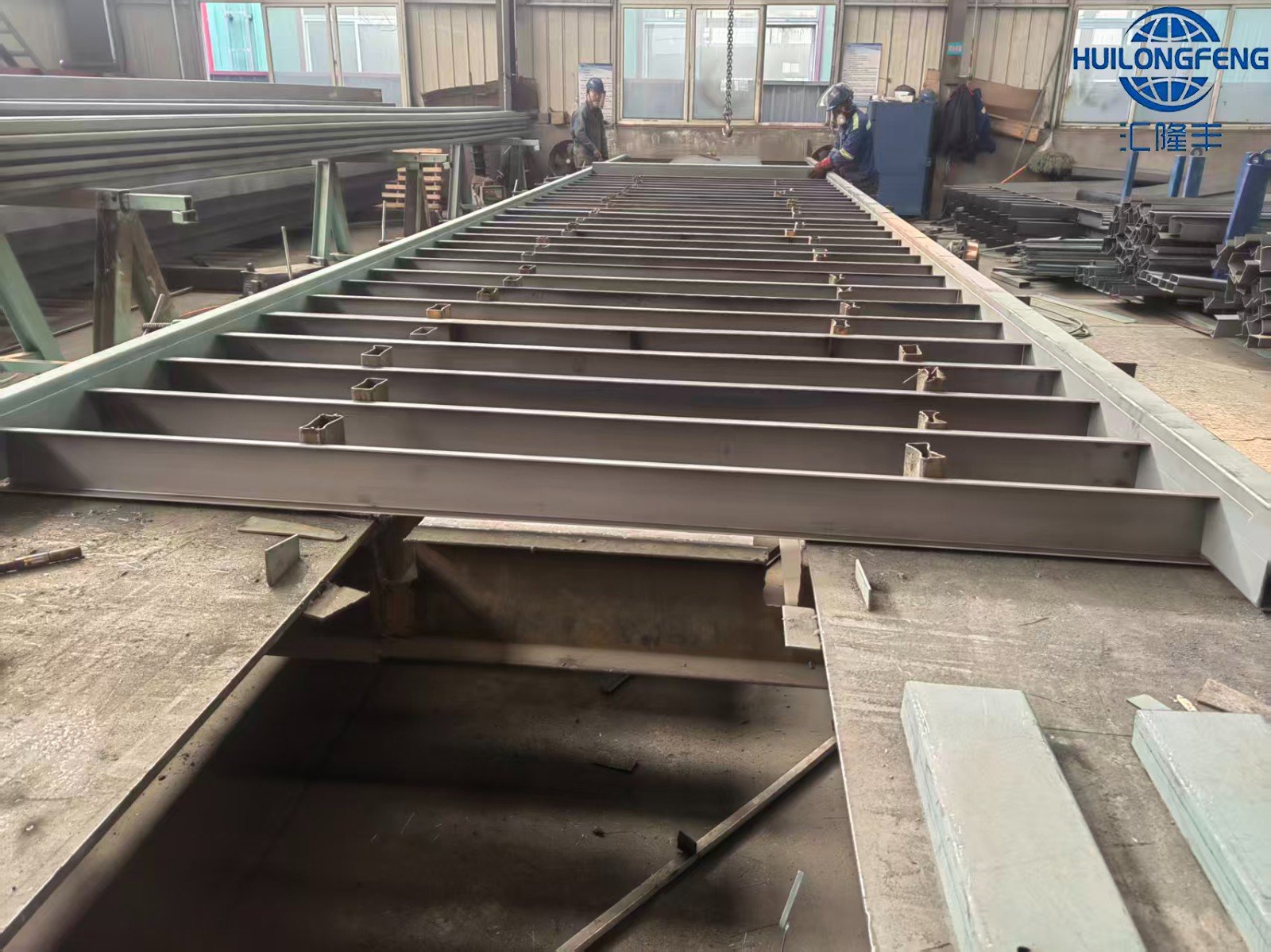
After the components are manufactured, the container structure is assembled.
The container base frame serves as the structural foundation. Bottom beams and flooring components are accurately positioned using specialized fixtures and secured through welding or bolting.
Pre-assembled side panels and end panels are lifted and mounted onto the base frame. During installation, technicians ensure correct alignment, verticality, and tight sealing between panels.
Once the walls are secured, the roof panel is installed to complete the main container body. At this stage, technicians verify the container’s overall dimensions and make adjustments if necessary.
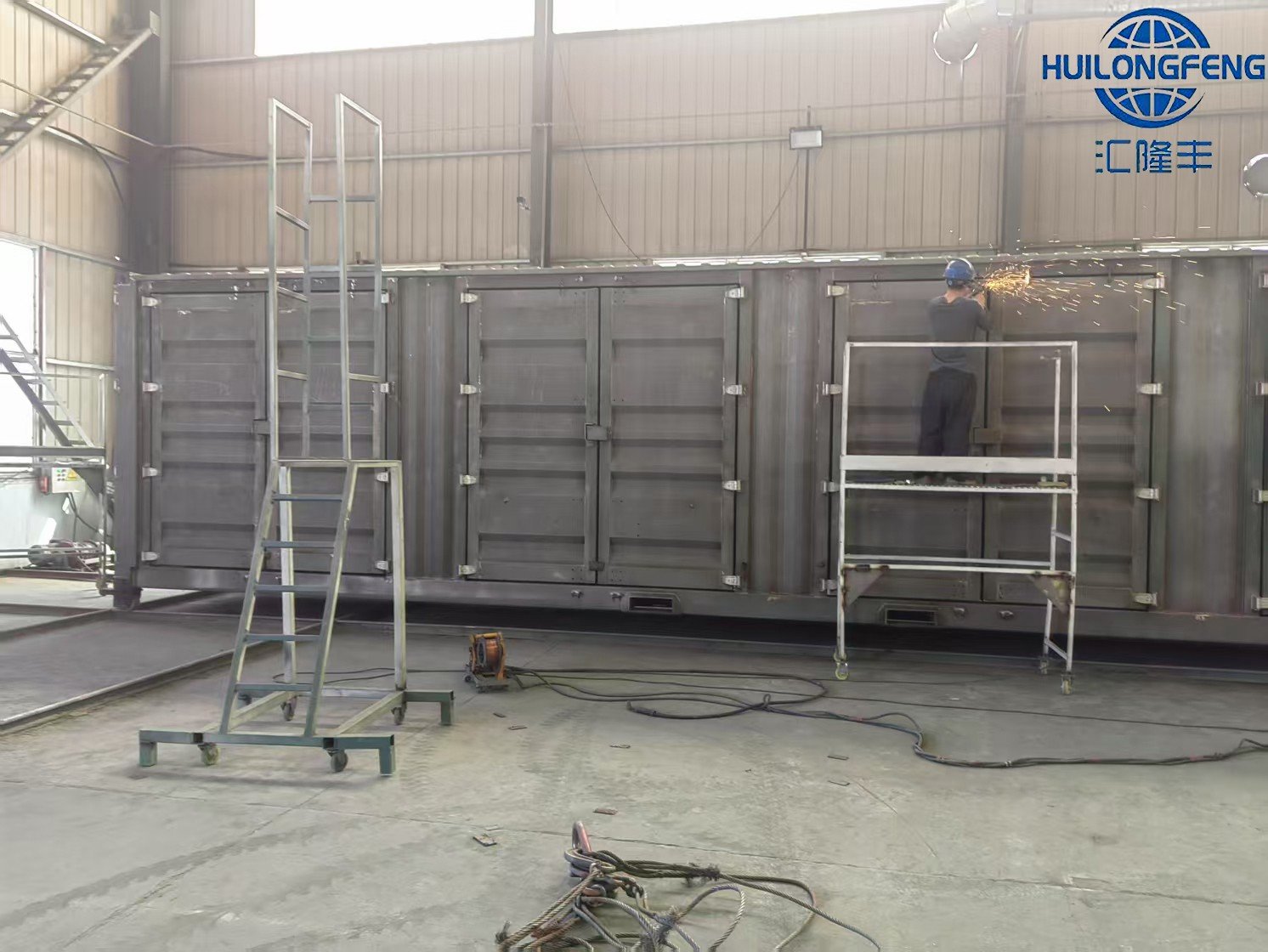
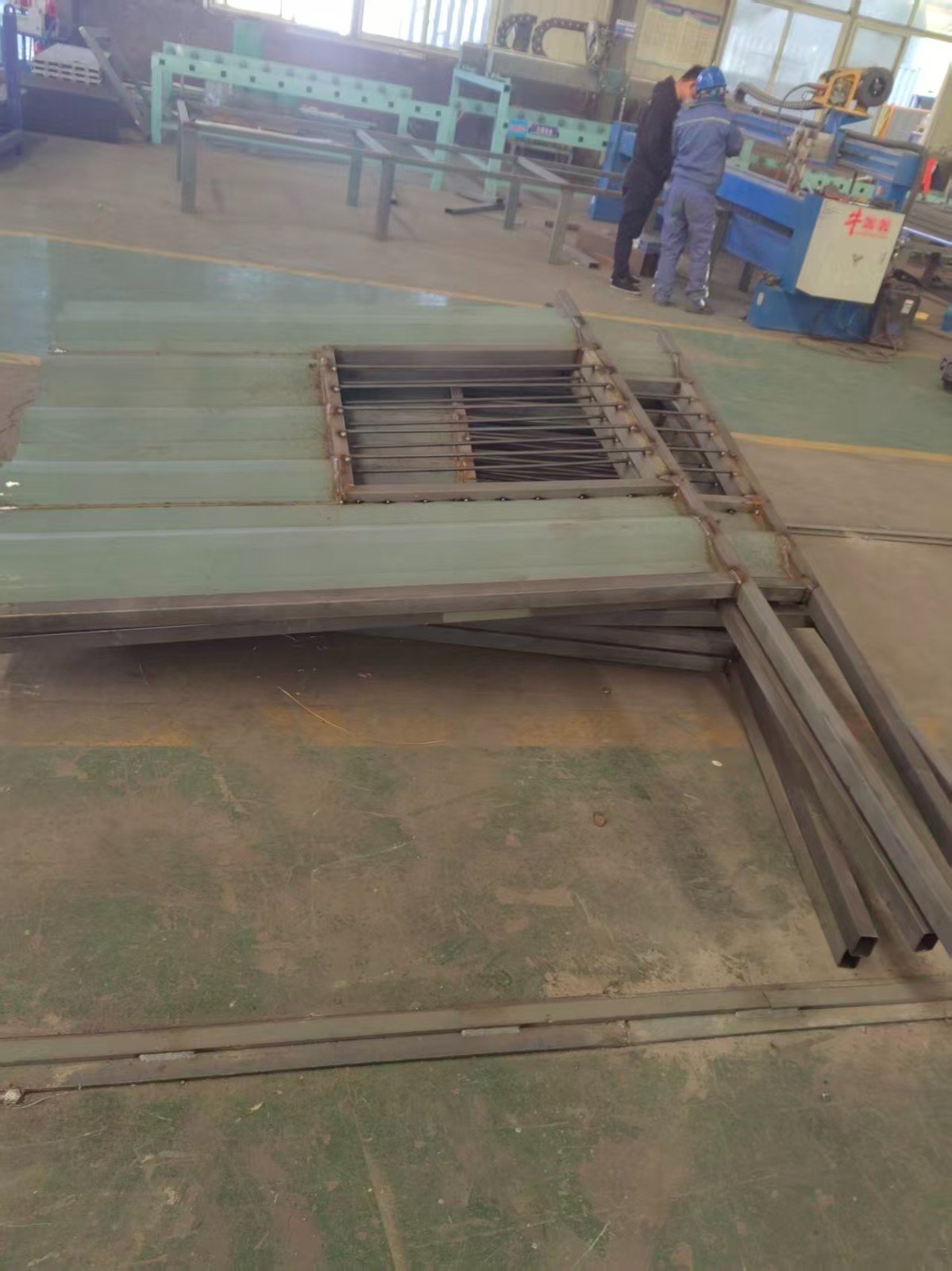
With the main structure complete, additional functional components are installed.
The container doors include:Door frames,Door panels,Hinges,Locking bars and handles.
Technicians adjust the door system to ensure smooth operation and a tight seal when closed.
Other components such as air vents, lifting rings, and handles are installed according to the design specifications to ensure proper functionality during transportation and handling.
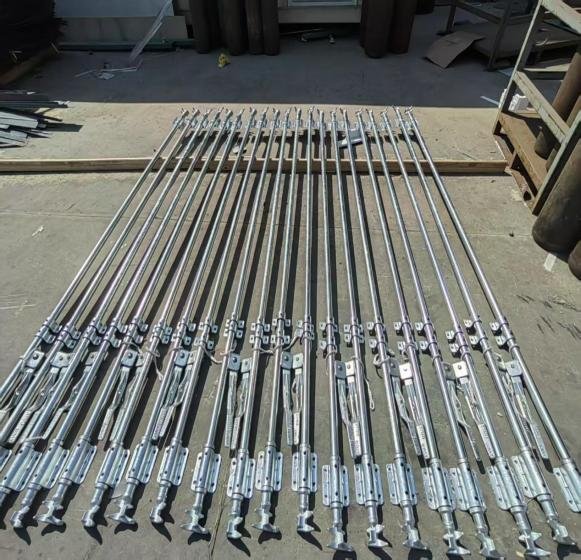
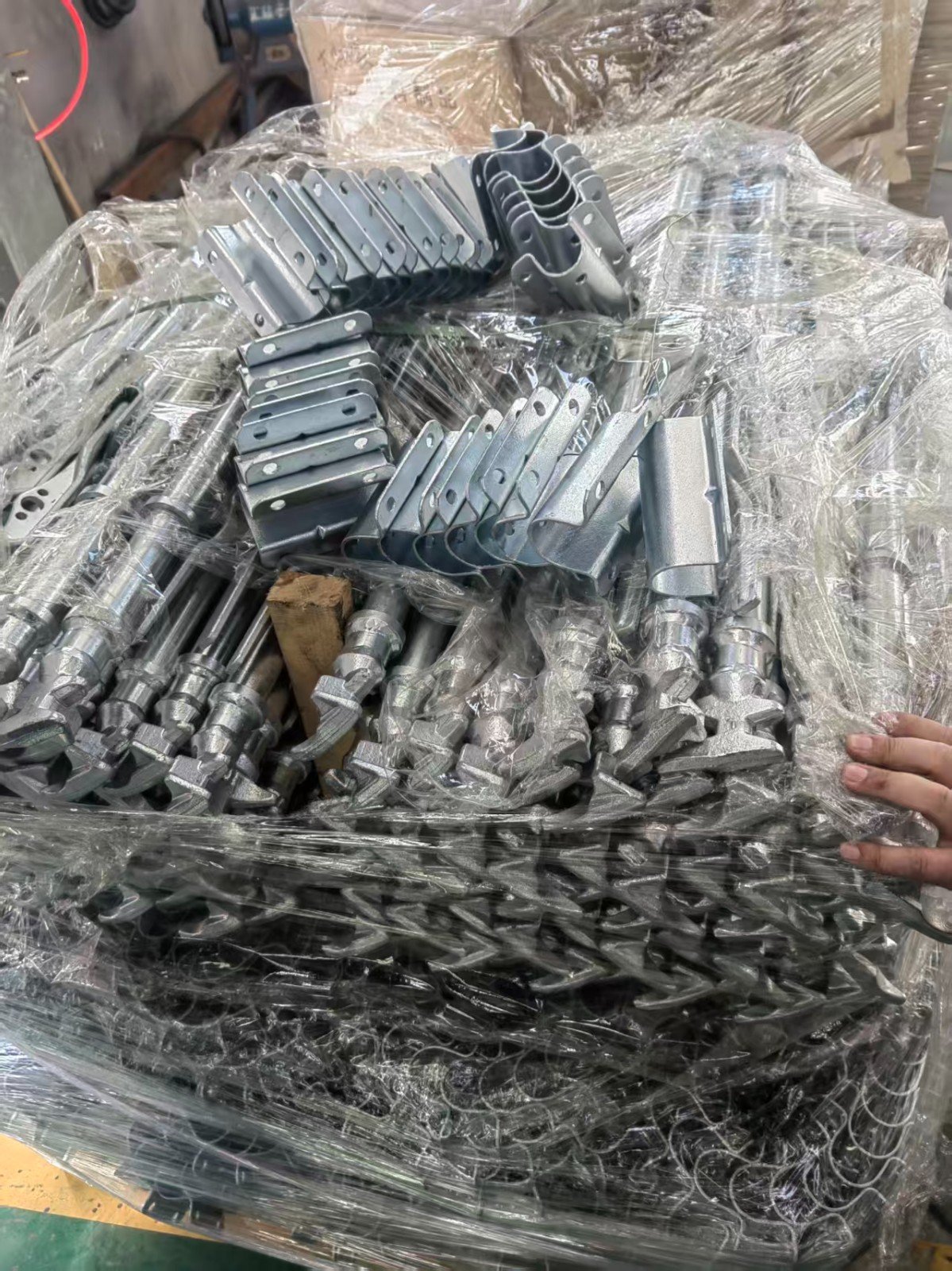
Protective coatings are essential for long-term durability.
The container undergoes a full spray coating process, including Primer spray, intermediate and finishing layers. This ensures:Even coating thickness,Smooth surface finish,Strong corrosion protection
According to international shipping container standards, clear markings are applied to the container surface. These markings include:Container number,Container size and specifications,Maximum payload,Manufacturer information
These markings remain visible and durable throughout the container’s service life.
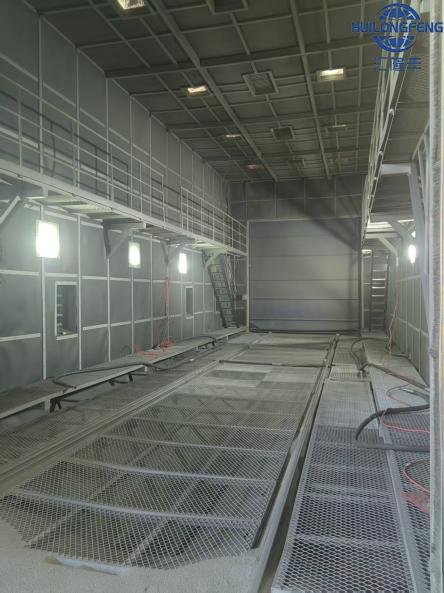
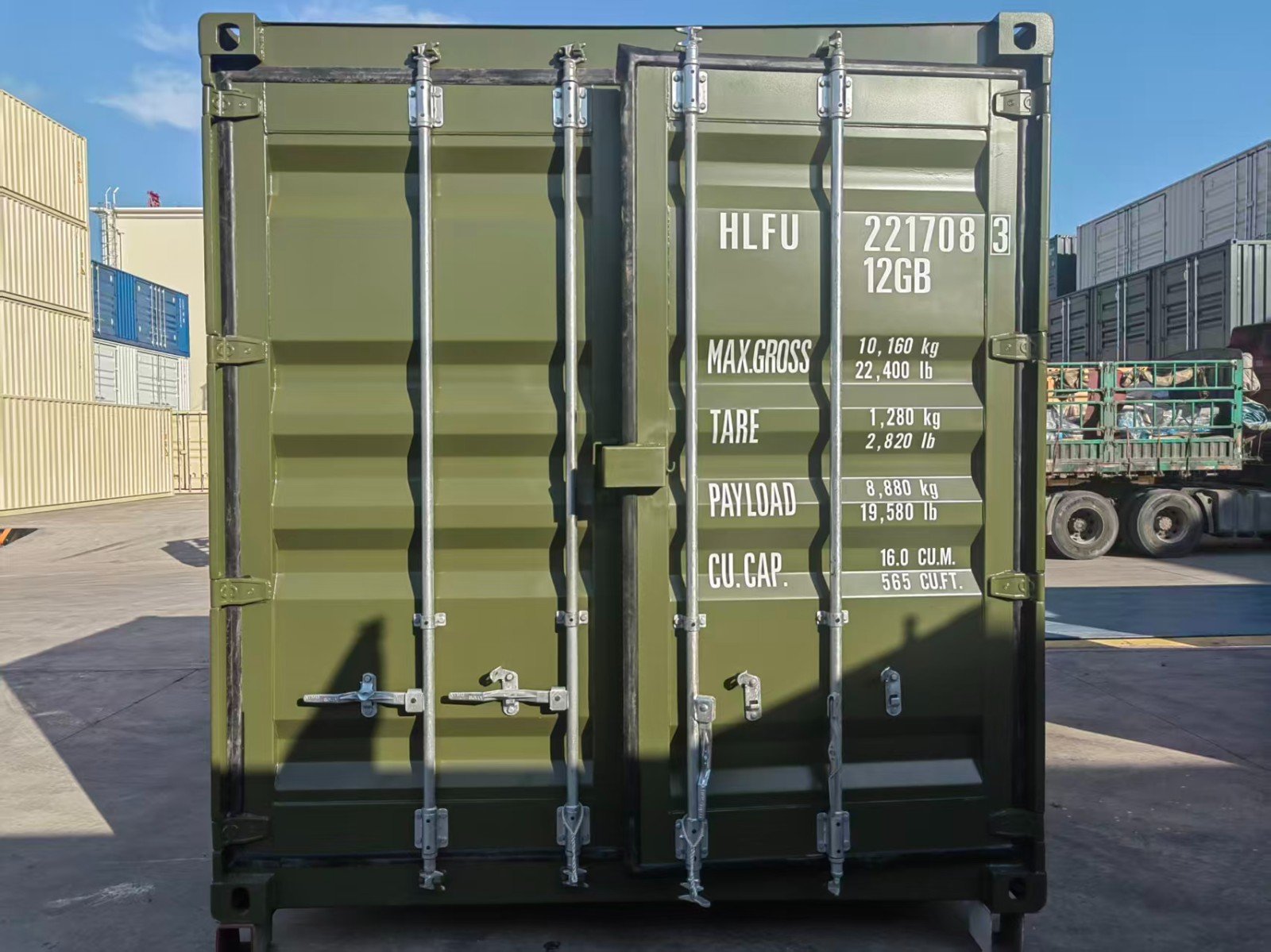
After the external painting process is complete and fully cured, technicians apply sealant to internal joints to improve waterproof performance.
Depending on customer requirements, additional interior panels or electrical components may also be installed.
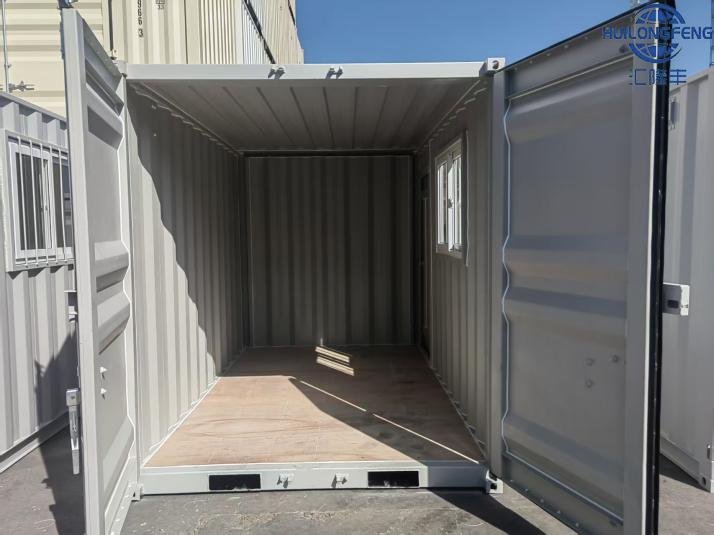
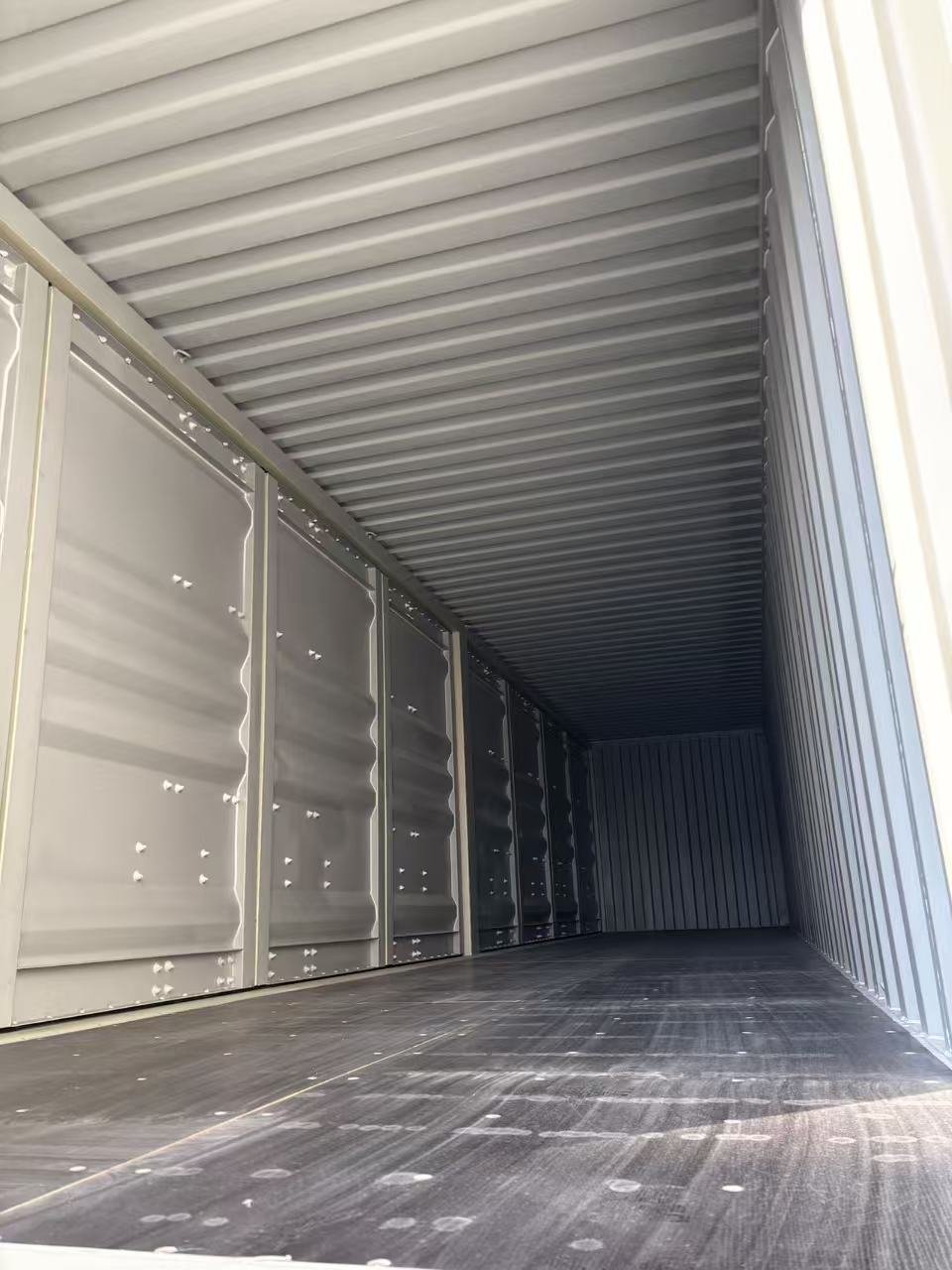
During the final stage of production, containers undergo final assembly procedures, including:Applying additional sealant,Installing labels and safety markings,Completing finishing work.
Finally, the container undergoes a water-tightness test, which ensures the structure is fully sealed and capable of withstanding harsh weather conditions during shipping.
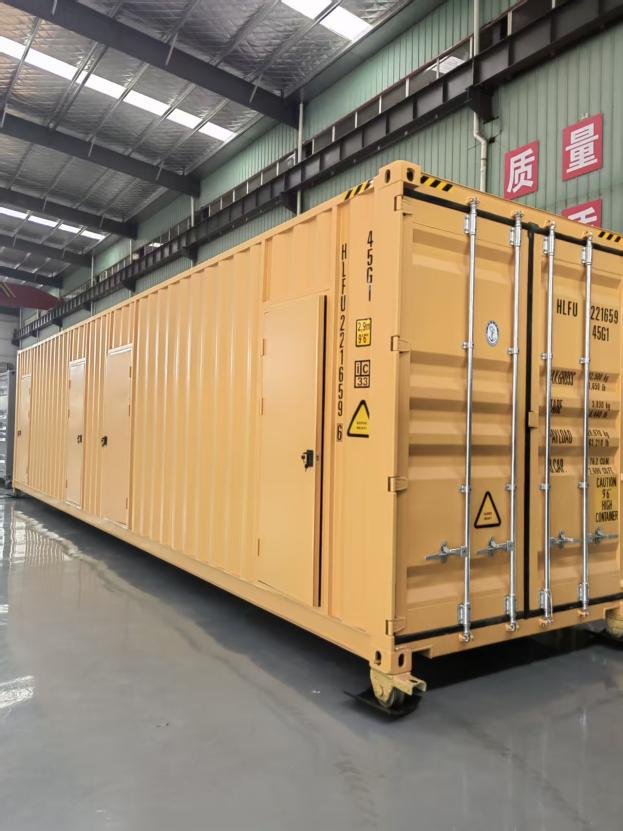
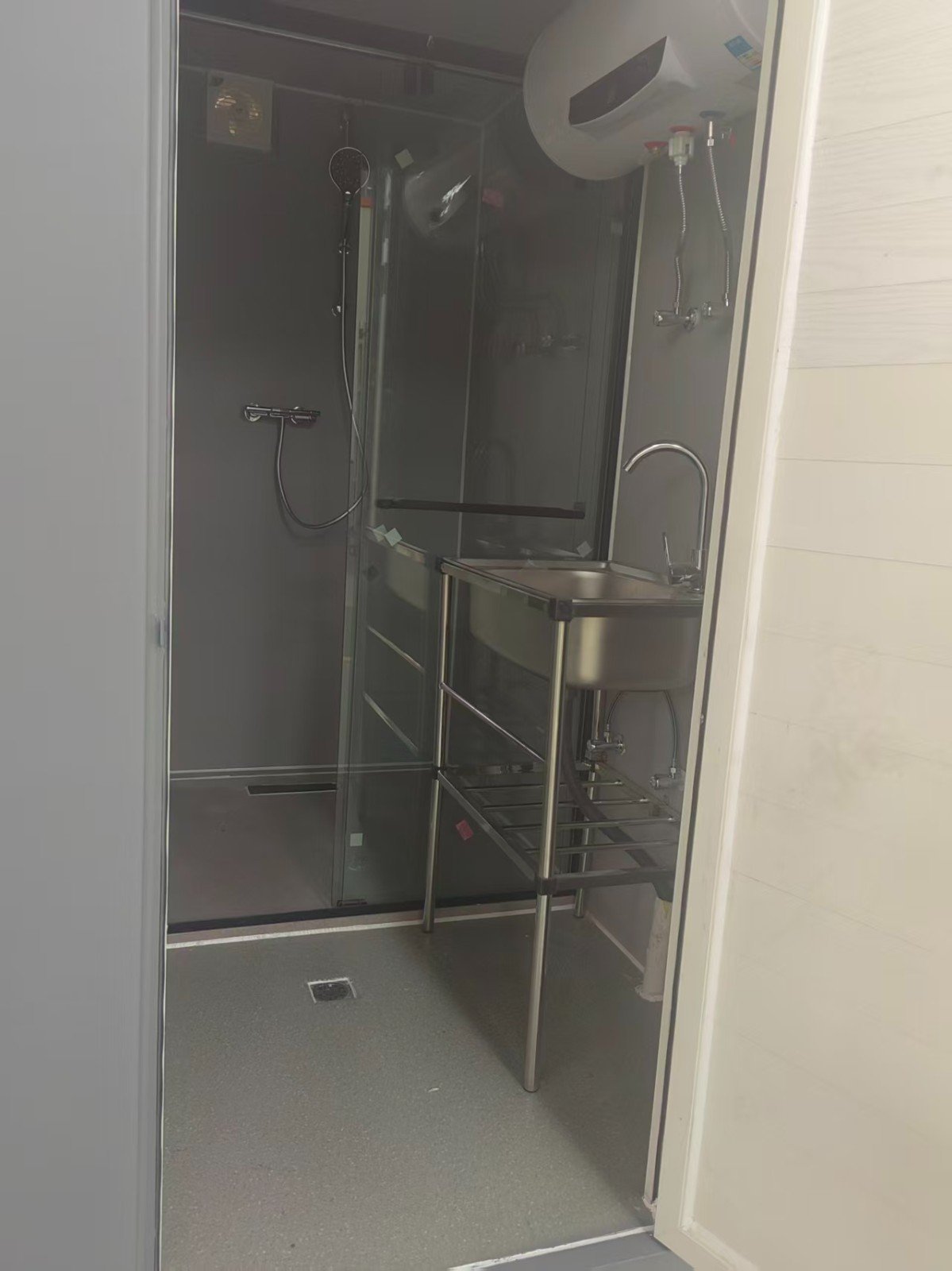
Before leaving the factory, every container must pass strict quality inspections.1,Appearance Inspection2,Dimensional Inspection3,Performance Testing
These tests ensure the container compliance with international ISO container standards and performs reliably during global transportation.
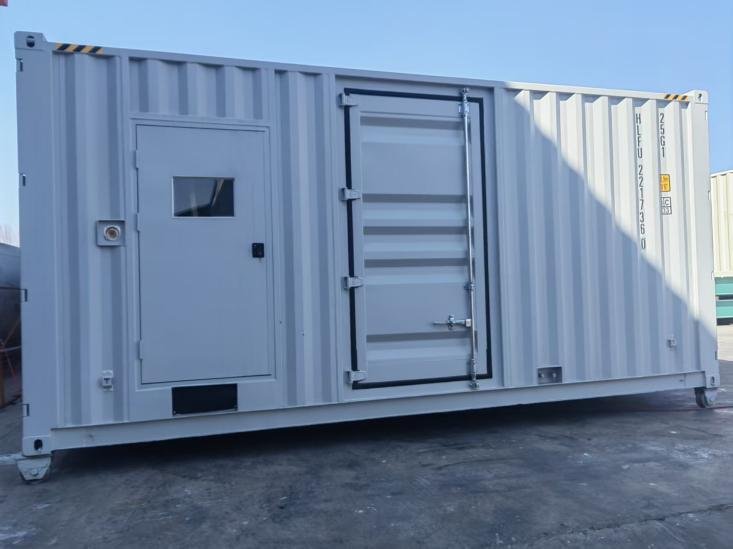
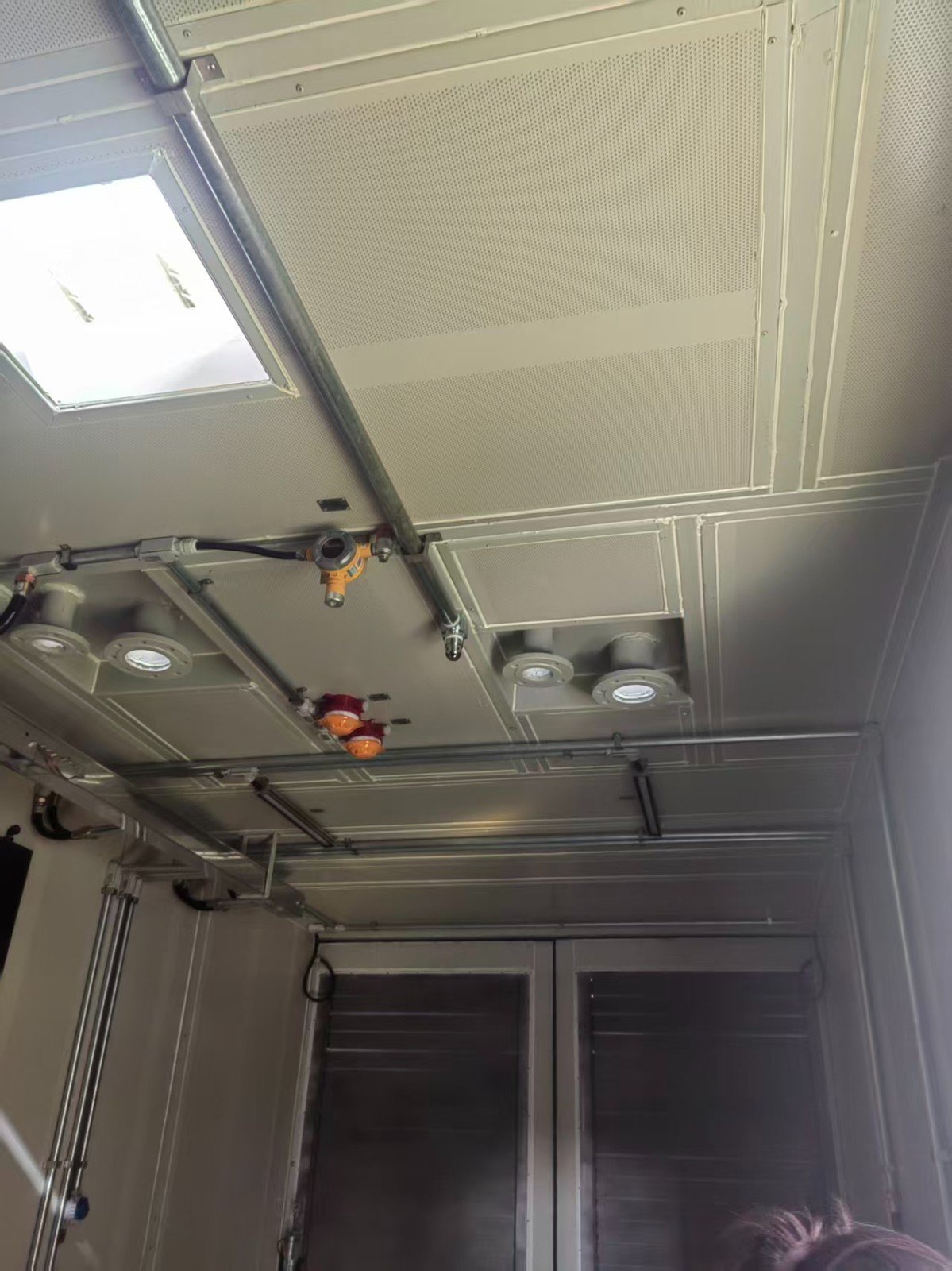
Through advanced equipment, skilled engineers, and strict quality control, our factory produces high-quality shipping containers designed for global shipping, logistics, and storage applications.
If you are looking for a trusted shipping container manufacturer, feel free to contact our team for more information.