
2026/07/08
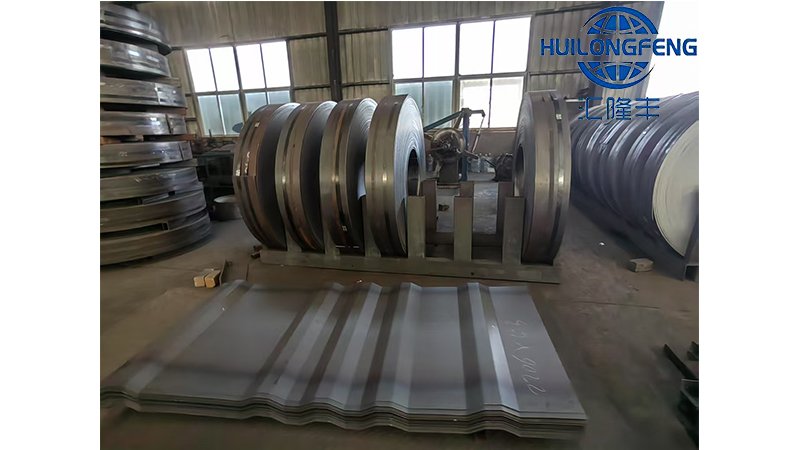
Step 1: Steel Material Preparation
Every shipping container begins with high-quality steel.
The primary materials include:
Corrugated steel side panels
Structural steel profiles
Corner castings
Roof panels
Marine-grade plywood flooring
Steel doors and locking hardware
Before fabrication, each material is inspected to ensure it meets dimensional and quality requirements.
Step 2: Cutting and Forming
Steel sheets are cut according to engineering drawings using CNC cutting equipment.
The panels are then formed into corrugated shapes, which significantly improve strength while reducing overall weight.
At this stage, precision is critical because dimensional accuracy directly affects the final assembly.
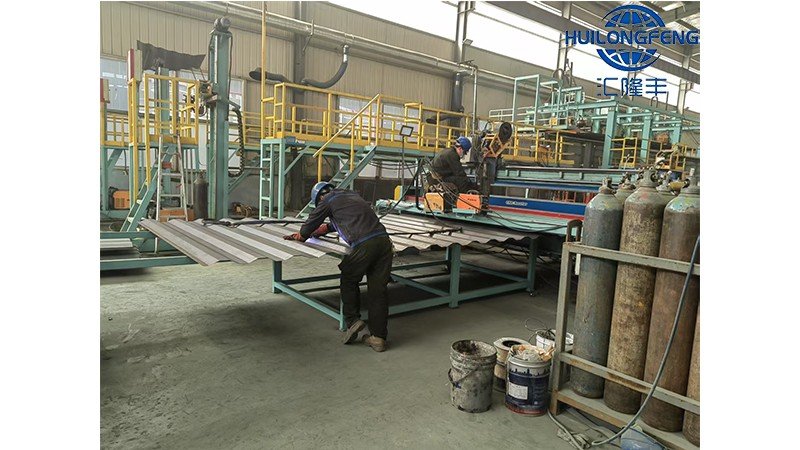
Step 3: Welding the Main Structure
The floor frame is assembled first, followed by the side walls, front wall, roof, and corner posts.
Certified welders complete structural welding according to strict quality standards to ensure the container can withstand transportation, lifting, and stacking.
For ISO shipping containers, dimensional tolerances and structural integrity are carefully controlled throughout the welding process.
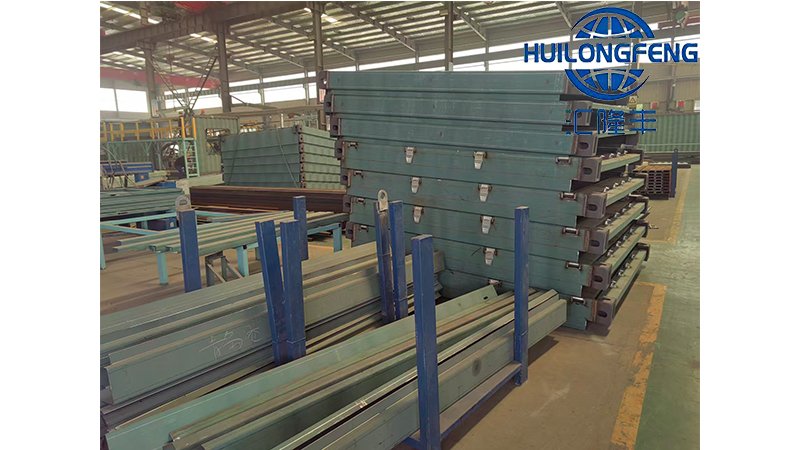
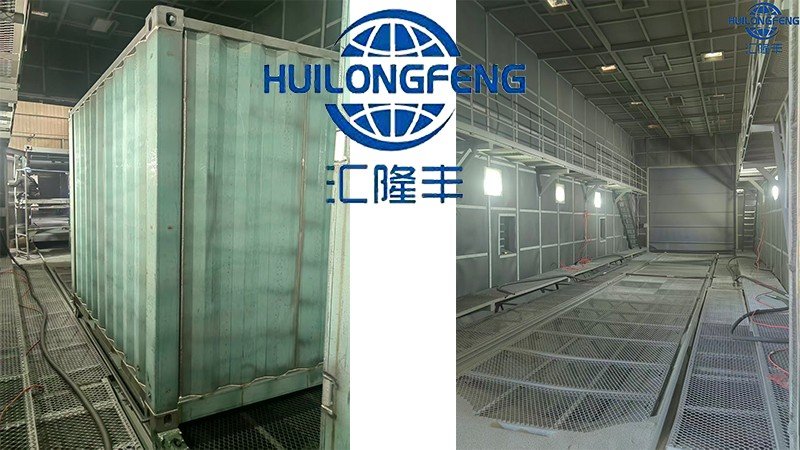
Step 4: Surface Preparation and Painting
Before painting, the entire container undergoes surface treatment to remove rust, oil, and contaminants.
Most manufacturers apply:
Anti-corrosion primer
Intermediate protective coating
Weather-resistant topcoat
High-quality coating systems help protect containers from corrosion in marine and industrial environments.
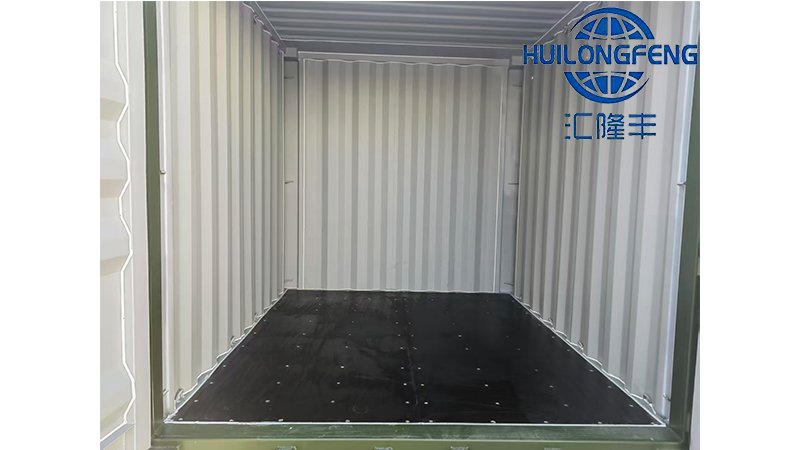
Step 5: Floor and Door Installation
After painting, the plywood floor is installed together with the container doors, locking rods, seals, and hardware.
Each component is adjusted to ensure smooth operation and reliable weather protection.
Step 6: Quality Inspection
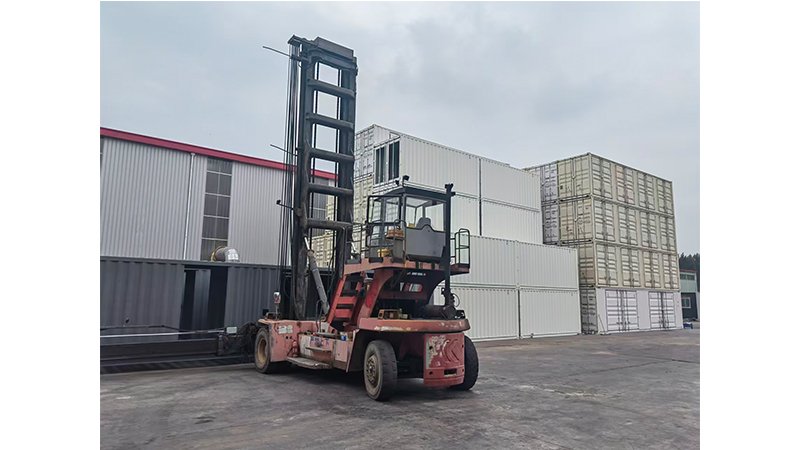
Before delivery, every container undergoes multiple inspections, including:
Overall dimensions
Door operation
Welding quality
Paint finish
Water-tightness
Structural inspection
For containers intended for international shipping, additional inspections may be required to comply with applicable standards and certification requirements.
How Does Custom Container Manufacturing Differ?
While standard shipping containers follow a fixed production process, custom containers require additional engineering and fabrication.
Examples include:
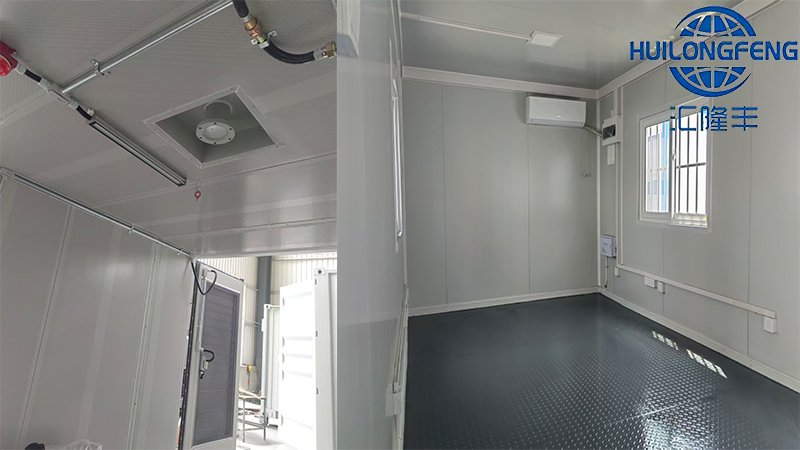
Installing insulation and interior finishes
Adding doors, windows, and ventilation systems
Integrating electrical wiring and lighting
Installing HVAC systems
Adding fire suppression systems
Designing equipment mounting structures
Building battery racks for BESS containers
Integrating soundproofing systems for generator containers
Each custom project begins with engineering drawings tailored to the customer's application.
Why Manufacturing Experience Matters
Custom container projects require more than standard fabrication.
An experienced manufacturer can provide:
Professional engineering support
Structural modification expertise
Compliance with project requirements
Efficient production management
Strict quality control throughout manufacturing
Whether the project involves industrial equipment, modular buildings, or energy storage systems, manufacturing quality directly affects long-term performance and reliability.
Looking for a Reliable Custom Container Manufacturer?
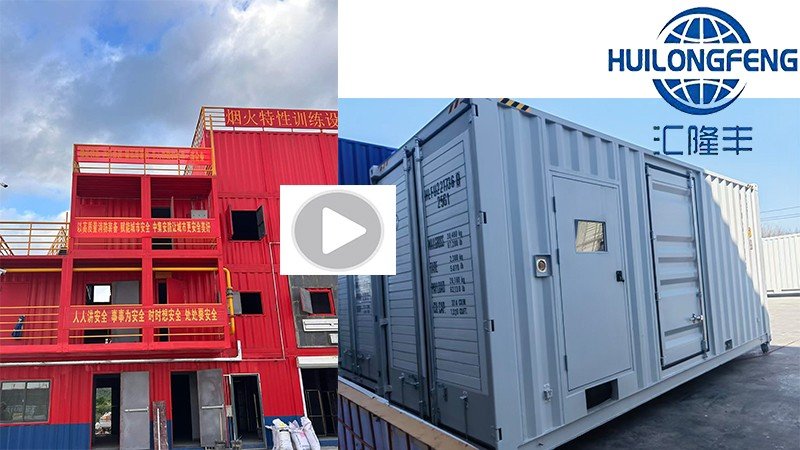
At Huilongfeng (Shandong) Environmental Protection Equipment Co., Ltd.we specialize in manufacturing customized container solutions for customers worldwide.
Our product range includes:
Container Houses
Generator Containers
Battery Energy Storage System (BESS) Containers
Industrial Equipment Containers
Modular Engineering Containers
With experienced engineers, advanced production facilities, and strict quality control, we help customers turn project concepts into reliable container solutions.
Contact us today to discuss your custom container project.
