2026/10/16
Beyond Standard Shipping Containers: Custom Solutions for Industrial Applications
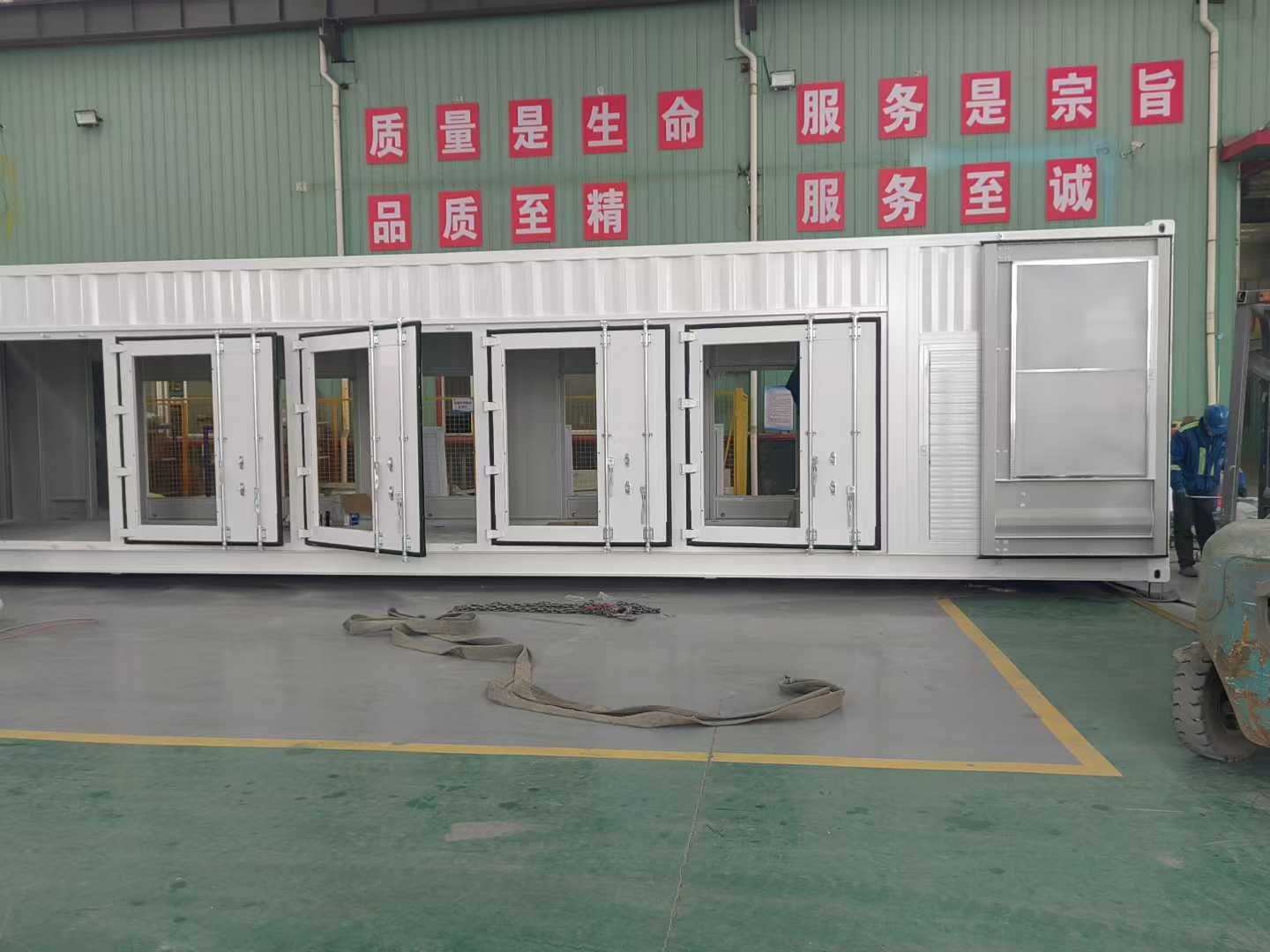
Shipping containers are widely used for transporting and storing goods around the world. However, in many industrial projects, a standard container is only the starting point. Different applications require different structures, equipment layouts, ventilation systems, insulation, access doors and electrical interfaces.
This is where "custom shipping containers" offer greater flexibility. By modifying the container structure and integrating project-specific features, manufacturers can create practical enclosures for industrial equipment, power generation, energy storage, temporary facilities and other specialized applications.
For companies looking for a reliable container manufacturer, understanding the customization process is an important step toward selecting the right solution.
1. What Is a Custom Shipping Container?
A custom shipping container is a container-based structure designed or modified to meet specific operational, transportation or installation requirements.
Unlike a standard dry shipping container, a customized unit may include additional doors, ventilation louvers, insulated silence wall panels, reinforced flooring, electrical systems, cable entry points, equipment supports or specialized internal layouts.
The final configuration depends on the intended application, equipment dimensions, environmental conditions and transportation requirements.
Common types of custom containers include:
- Generator Containers: Enclosures for generator sets and related power equipment.
- Battery Energy Storage Containers:Containerized enclosures for battery energy storage system projects.
- Equipment Containers:Customized steel enclosures for industrial machinery and technical equipment.
- Container Offices and Accommodation Units: Modified containers with insulation, windows, doors, electrical systems and interior finishes.
- Dangerous Goods Storage Containers:Purpose-designed units with application-specific ventilation, spill containment and other required features.
- Emergency Response Containers: Specialized structures designed around project-specific emergency handling requirements.
- Side-Opening and Multi-Door Containers:Containers with additional access openings for more convenient loading, unloading and equipment handling.
Each type requires a different approach to structural design, fabrication and finishing.
2. Generator Containers: Designed Around Equipment Requirements
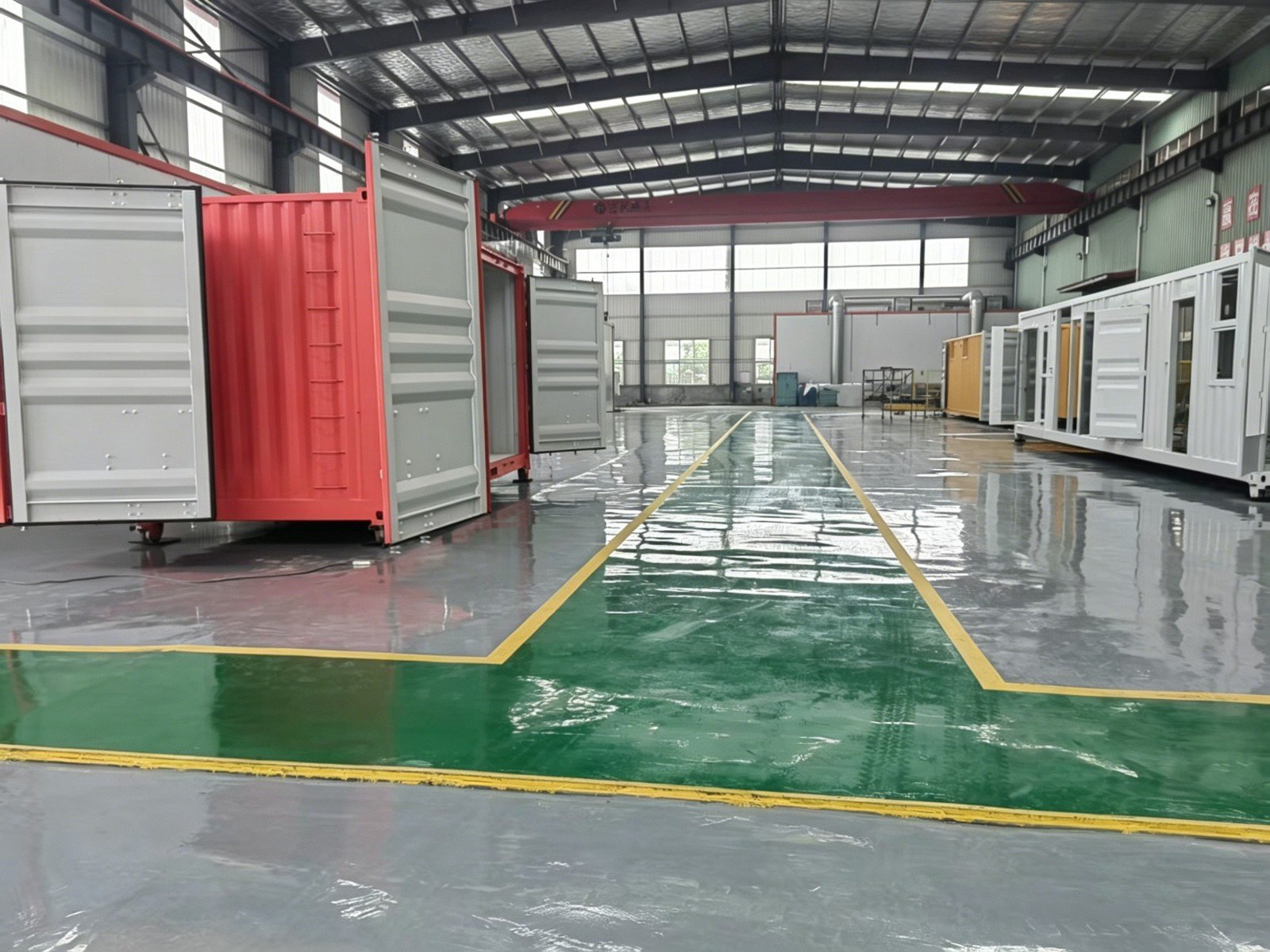
Generator containers are a good example of why industrial projects often require more than a standard shipping container.
A generator enclosure may need ventilation louvers, large equipment access doors, internal cable routing, lighting, equipment mounting structures and provisions for fire protection systems.
The layout must take into account the generator dimensions, airflow requirements, maintenance access and cable connections.
Depending on the project, a custom generator container may include:
- External ventilation louvers
- Large equipment access doors
- Customized internal steel structures
- Electrical cable routing and entry points
- Internal lighting
- Anti-slip steel flooring
- Provisions for fire protection equipment
- Customized exterior colors and identification markings
For buyers, it is important to provide the generator specifications and technical layout at the beginning of the project. This helps the manufacturer assess the available space and coordinate the enclosure design with the equipment requirements.
3. Battery Energy Storage Containers and Electrical Equipment Enclosures
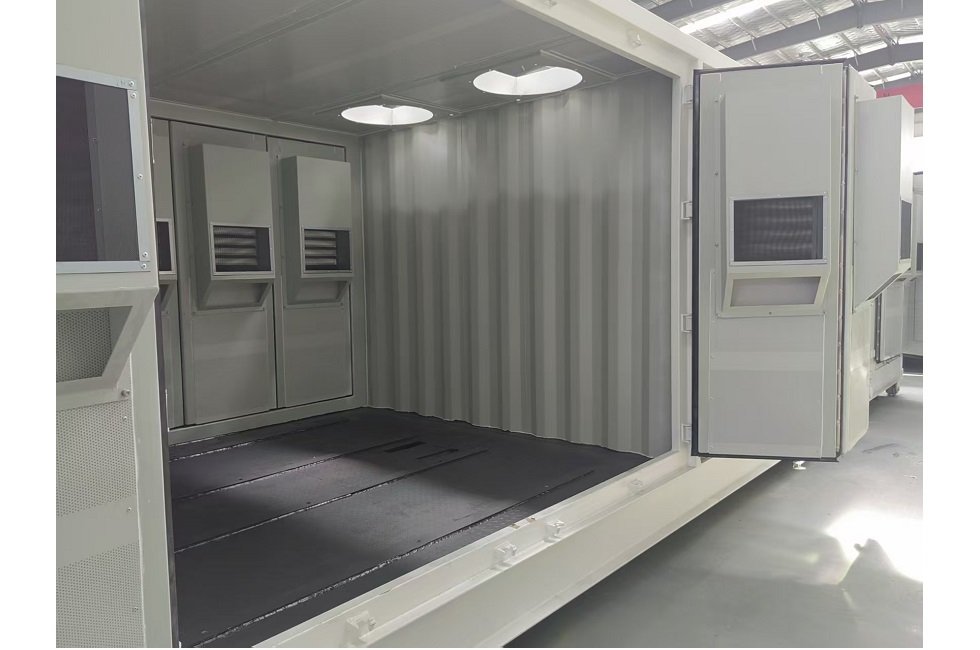
Battery energy storage systems and other electrical installations can require carefully planned container layouts.
Depending on the project design, a container may need equipment mounting structures, cable entry systems, access doors, thermal insulation, ventilation or dedicated cooling interfaces.
These requirements should be determined by the equipment supplier's specifications and the project's electrical, thermal and safety requirements.
A custom container manufacturer can fabricate the steel enclosure and coordinate the required openings, supports, internal partitions and other structural provisions according to the approved design.
For battery energy storage projects, the container structure alone does not establish the safety or performance of the complete system. Battery equipment, thermal management, fire protection and electrical systems must be specified and validated for the intended application.
4. Side-Opening Containers for Flexible Cargo Access
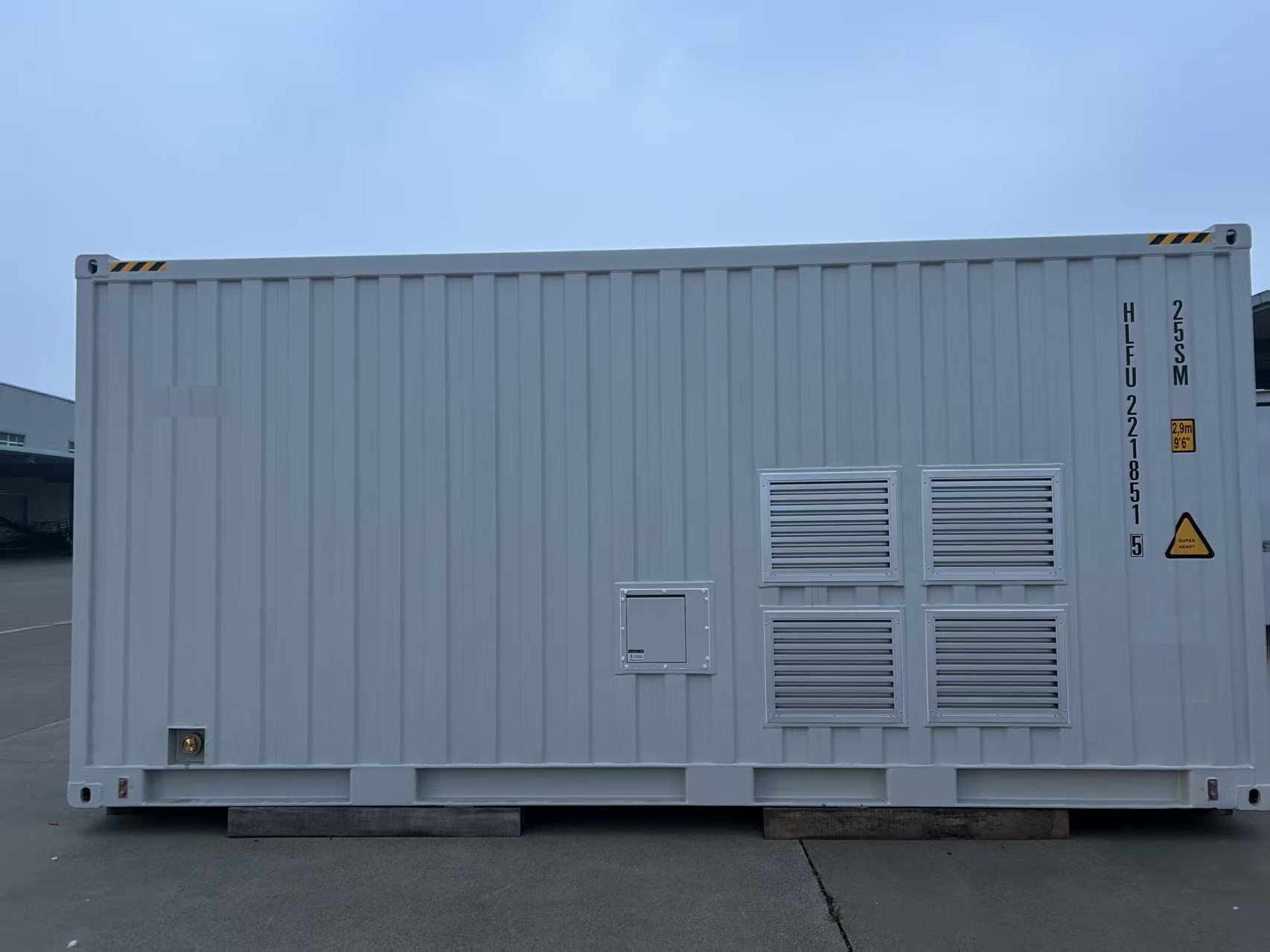
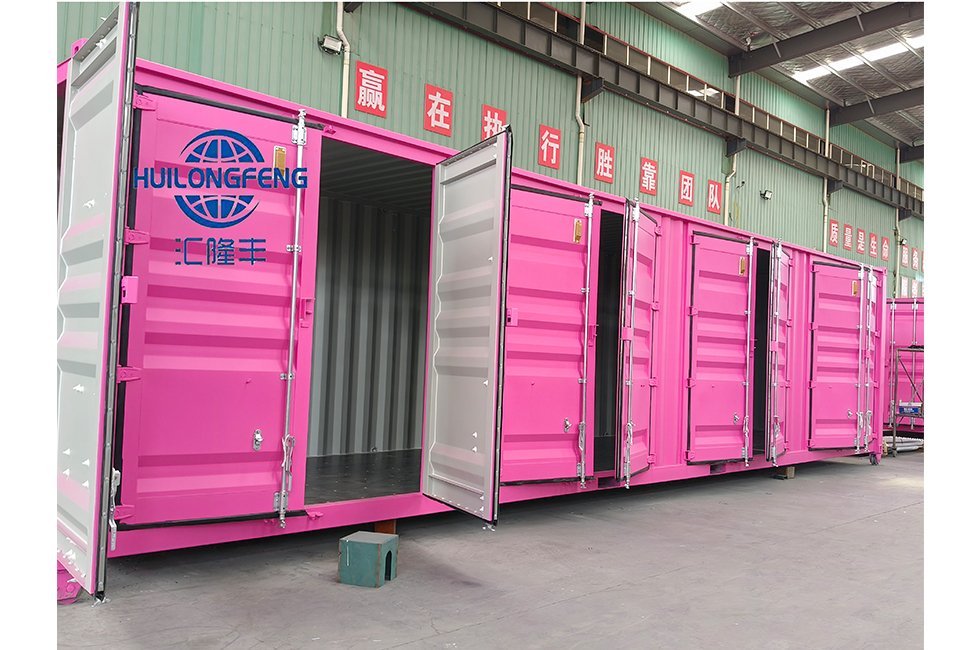
Traditional shipping containers are generally loaded through their end doors. For certain cargo types, additional side access can make handling more convenient.
A side-opening shipping container can be configured with one or more doors along its long side. Depending on the design, options may include single-door, double-door, four-door or other customized arrangements.
For projects requiring an even larger opening, a wing-opening container may provide an alternative configuration, with one or both side walls designed to open upward.
Potential applications include:
- Industrial machinery and equipment
- Long or bulky materials
- Palletized cargo
- Project cargo handling
- Specialized storage applications
- Mobile display and operational facilities
The appropriate configuration depends on the cargo dimensions, loading method, door-opening requirements and transportation arrangements.
Buyers should also confirm whether the finished unit must meet specific requirements for international sea transportation, lifting, stacking or certification.
5. What Should Buyers Consider Before Ordering a Custom Container?
A successful custom container project starts with clear technical requirements.
Before requesting a quotation, buyers should prepare as much of the following information as possible.
Container dimensions and transportation
Specify the required length, width and height, along with any requirements for standard container corner fittings, lifting, stacking or sea transportation.
Equipment layout
Provide equipment dimensions, weights, mounting positions, maintenance clearances and any available general arrangement drawings.
Doors and access openings
Identify personnel doors, equipment doors, side openings, cable entry points and other required penetrations.
Ventilation and insulation
Explain the operating environment and the equipment manufacturer's ventilation, temperature and insulation requirements.
Floor loading and structural reinforcement
Provide the equipment weight, support locations and any required distributed or concentrated floor loads so that the structure can be assessed appropriately.
Electrical and auxiliary systems
Identify requirements for cable routing, lighting, distribution boards, air-conditioning interfaces, grounding points and other installations.
Surface treatment and documentation
Specify the desired exterior color, corrosion protection system, inspection requirements, drawings, material documentation and any applicable certification requirements.
Providing these details early helps reduce design revisions and makes it easier for the manufacturer to prepare an accurate quotation.
Step 6: Inspection and documentation
The finished unit is inspected against the agreed requirements. Applicable test reports, drawings, material documents and certification records are provided according to the project scope.
For customized equipment containers, the inspection plan and acceptance criteria should be agreed upon before production begins.
8. Why Work Directly with a Custom Container Manufacturer?
Working directly with a manufacturer can help buyers communicate technical requirements more clearly and coordinate design changes throughout the project.
A capable manufacturing partner should be able to discuss structural design, material selection, equipment access, fabrication details, surface treatment and the documentation required for delivery.
At the same time, buyers should distinguish between the manufacturer's own capabilities and items that depend on external suppliers, third-party testing or certification bodies.
For projects involving special transportation, fire protection, electrical equipment or hazardous materials, all relevant standards and approval requirements should be confirmed before production.
9. Custom Container Manufacturing for Global Projects
Different industries have different requirements, and there is no single container configuration that suits every application.
A project may require a standard shipping container, a side-opening container, a generator enclosure, a battery energy storage enclosure, a container office or a fully customized special-purpose container.
The key is to match the container structure and configuration to the intended use.
As a China-based container manufacturer, we provide customized container solutions based on customer drawings, equipment specifications and project requirements. Depending on the application, customization may include dimensions, doors, ventilation, insulation, flooring, equipment supports, cable entries, electrical provisions, colors and other structural features.